
What Size Construction Dumpster Do I Need?
Small jobs move fast with a 10 yard dumpster rental: a bathroom remodel, a deck removal, a garage cleanout. That's your small construction dumpster rental option, and it's the one Town 'n' Country contractors book most for interior work. Bigger renovations and roofing tear-offs usually need a 20 yard dumpster rental, while whole-house rebuilds or commercial strip-outs call for a 30 yard dumpster rental or a 40 yard dumpster rental. If you're not sure which box fits the job, the dumpster sizes and dimensions guide breaks down footprint and yardage side by side. One thing that doesn't change with size: a roll-off delivery needs about 60 feet of straight clearance behind the truck, so measure your driveway or street frontage before you commit to a spot. Tight lots in older sections of Town 'n' Country sometimes need the box angled differently than a new subdivision would allow, and that's worth a phone call before delivery day, not after the truck is already on site.
Construction Dumpster Rental Cost in Town 'n' Country, FL
| Duration | Low | Typical | High |
|---|---|---|---|
| Day | $51 | $75 | $112 |
| Week | $426 | $600 | $778 |
| Month | $91 | $108 | $500 |
Delivery typically adds $100 to $150 for a single trip, or $50 to $150 for a week-long rental window. Most construction dumpster rental companies price the box separately from delivery and pickup, so ask for both numbers up front. For a deeper breakdown of what drives the range, the dumpster rental cost page walks through weight tiers and overage charges. Contractors juggling multiple trades on one lot often pair a roll-off with temporary fence rental to keep the site secured between dumpster swaps, and a storage container rental for tools and materials that can't sit exposed to weather.
What Cannot Go In a Construction Dumpster?
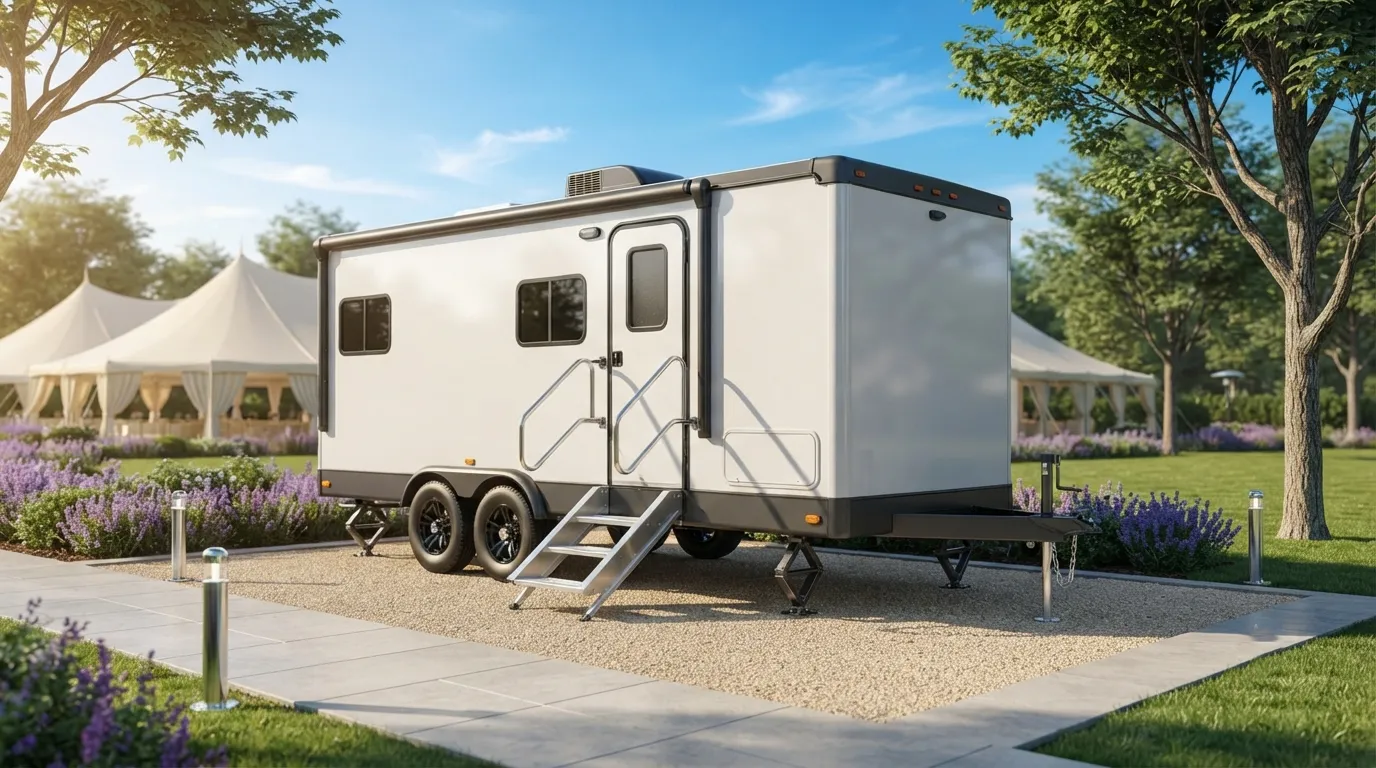
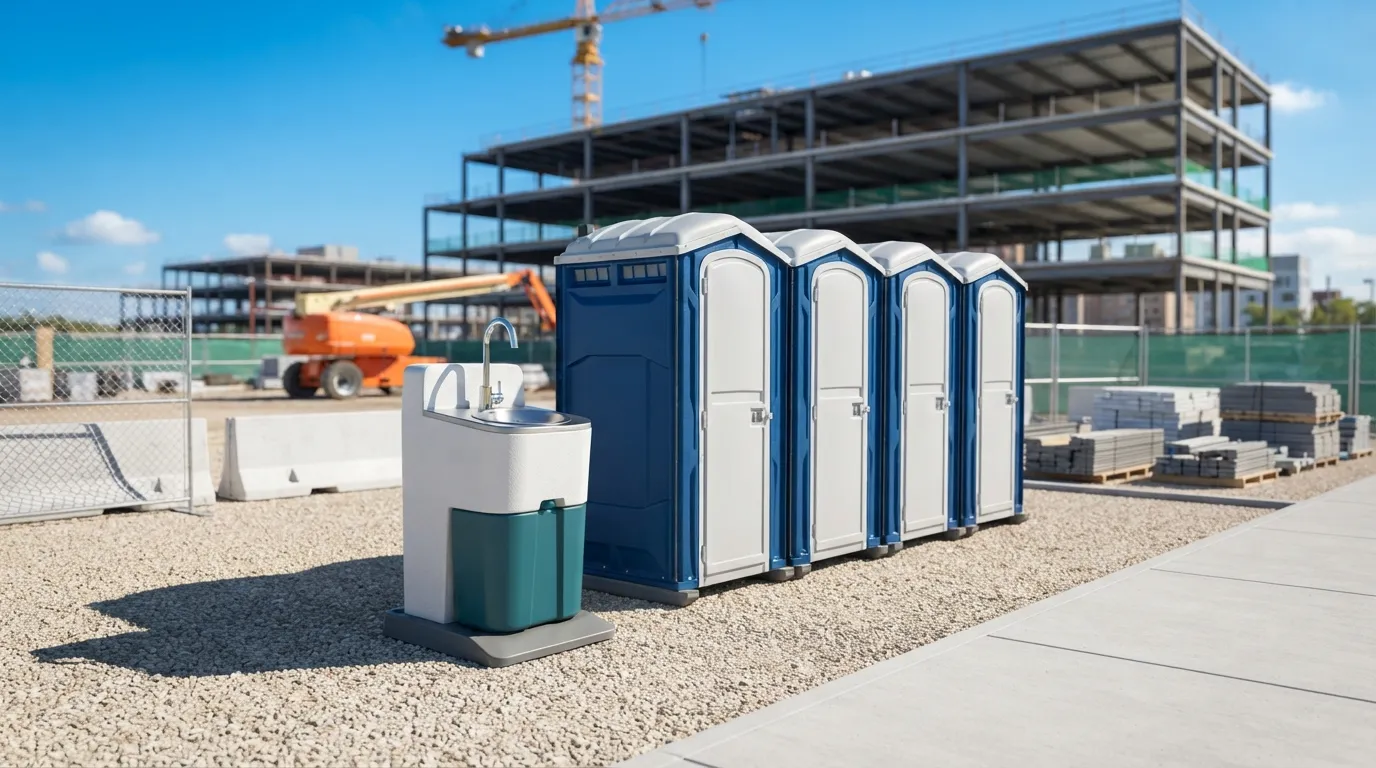
Paint cans, tires, batteries, and anything flagged as hazardous waste generally can't ride in a standard roll-off, and neither can wet concrete slurry in most cases. The full breakdown, including what counts as prohibited debris versus what just needs separate disposal, is on the what cannot go in a dumpster page. Overloading past the weight line is the other common trip-up. Every roll-off has a tonnage cap tied to its size, and going over it triggers a per-ton overage fee rather than a flat rejection, which the dumpster weight limits page covers in more detail. Demolition debris, drywall, lumber and roofing shingles are the bread and butter of a construction dumpster, but mixed loads with concrete or dirt sometimes need their own bin because of how heavy that material gets per cubic yard. If your job also needs a portable toilet on site, OSHA 1926.51(c) sets the baseline: one toilet facility for 20 workers or fewer, scaling up from there. Pair that requirement with a porta john rental or a standard porta potty rental so the crew isn't driving to a gas station on lunch break.
Do I Need a Permit for a Construction Dumpster?
Placement in the public right of way, meaning the street or curb strip rather than your driveway, needs confirming with the City of Town 'n' Country before delivery. Requirements shift depending on whether the box sits on private property or spills into city easement, and the dumpster permit requirements page walks through what to check before you schedule anything. If your project is a home renovation rather than new construction, the home renovation porta potty and general construction site services pages cover the sanitation side of the same permitting question, since some job sites need both a dumpster and a toilet permitted together. Contractors working sites near Citrus Park, about 6.1 miles north of Town 'n' Country, or Egypt Lake-Leto, roughly 6.2 miles east, should check with whichever municipality actually holds jurisdiction over that stretch of road, since dumpster rules aren't always uniform across the two towns even when the job site itself sits close to the line.
Frequently Asked Questions
How long can I keep a construction dumpster?
Most rentals run by the day, week or month, and the table above shows real pricing for each window. A week is the most common choice for remodels; month-long rentals suit longer builds. Ask your provider about swap-outs if the job runs past your original window, since a full box mid-project stalls the crew.
Can I mix construction debris with household trash?
Keep them separate when you can. Construction debris like drywall and lumber is heavier and bulkier than household trash, and mixing the two makes it harder to stay under the weight cap. Check the what cannot go in a dumpster page for specifics on what's flagged as prohibited outright.
What's the difference between a 10 yard and a 20 yard dumpster?
A 10 yard box suits small teardown jobs like a single bathroom or a deck. A 20 yard box handles larger renovations, roofing jobs, or multi-room gut-outs. The dumpster sizes and dimensions page has footprint measurements for both if driveway space is tight.
Does a construction dumpster rental include delivery?
Not always. Delivery is usually billed separately, often $100 to $150 for a single trip depending on distance and access. Ask your provider to quote delivery and the box rental as two line items so you know exactly what you're paying for before the truck shows up.
Do I need a permit if the dumpster stays in my driveway?
Driveway placement is usually simpler than curbside or street placement, but it's still worth confirming with the City of Town 'n' Country, especially if the driveway is short or shared. See the dumpster permit requirements page or request a quote and ask directly.
Next step
Get a delivery date
Tell us the address, the dates and the headcount. We size the order and confirm the route.